THE MATERIALIZATION OF THE LOBITO CORRIDOR PROJECT, AT THE CENTER OF A STRATEGIC MEETING THIS APRIL 16, 2026 IN WASHINGTON IN THE UNITED STATES OF AMERICA BETWEEN THE WORLD BANK, THE DRC, ZAMBIA, ANGOLA AND OTHER FINANCIAL PARTNERS
.webp)
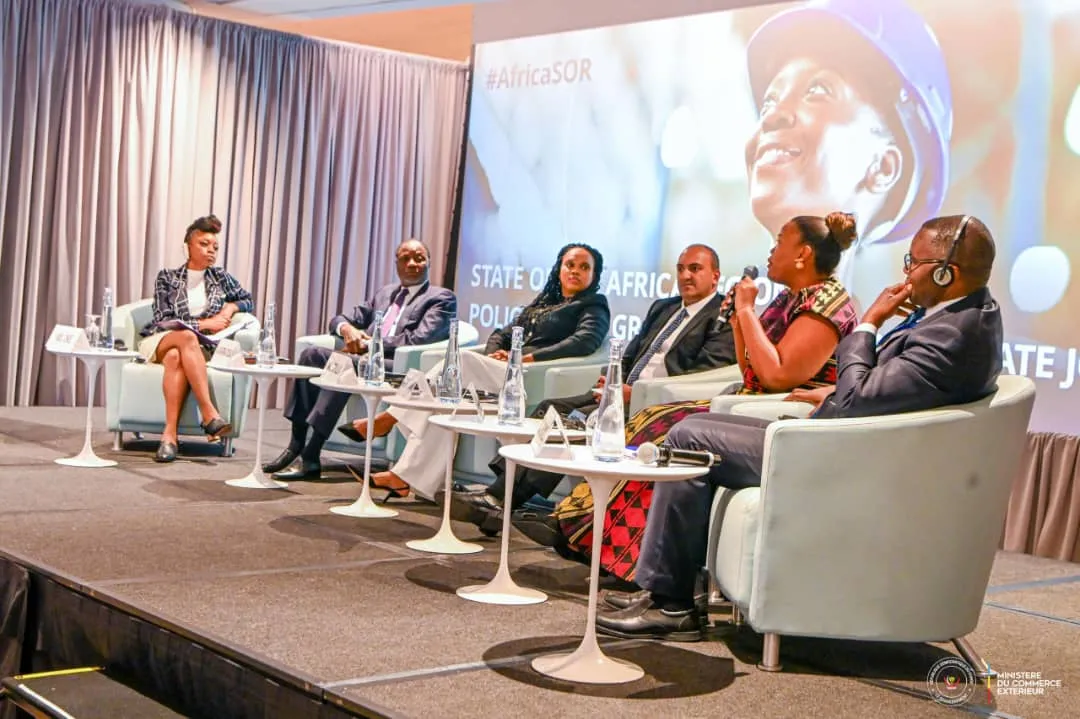
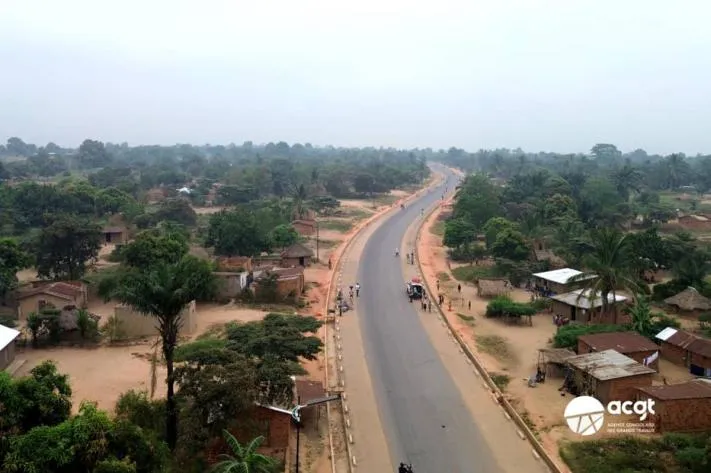
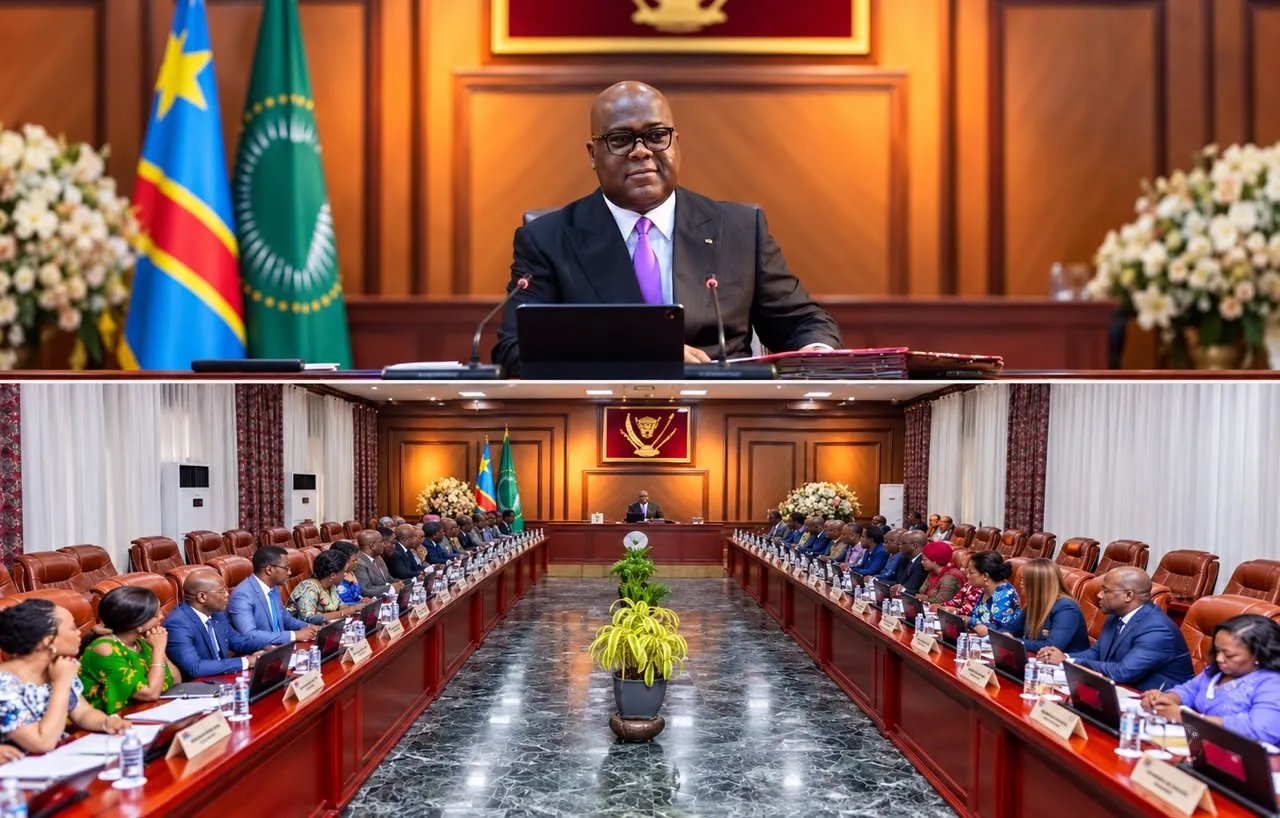
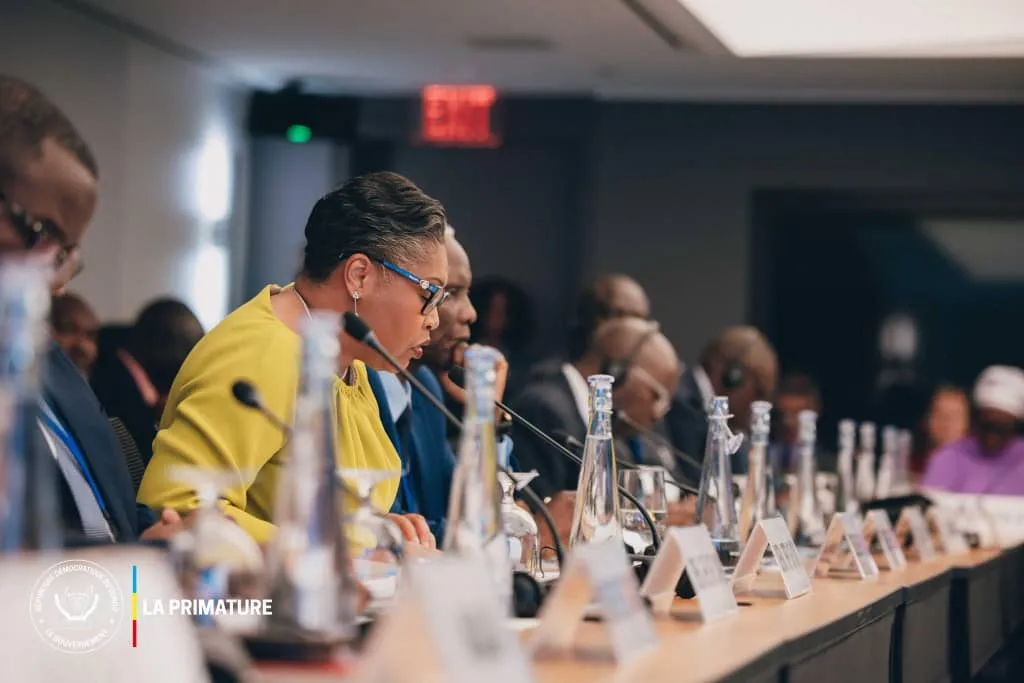
Meeting on April 16, 2026 in Washington in the United States of America, the World Bank, the Democratic Republic of Congo, Zambia, Angola and financial partners including the African Development Bank-AfDB, Africa Finance Cooperation-AFC, International Finance Cooperation-IFC, the BIE and Italy via its MATTEI plan as well as the General Secretariat of the Lobito Corridor agreed to accelerate the materialization of the Lobito Corridor Project, as a program that integrates several sectors including transport, infrastructure, mining, trade, energy, agriculture, industry for the local processing of strategic minerals, tourism, and new technologies; objective, to change the economies of 3 beneficiary African countries mentioned above; a meeting which comes after the one organized last February in Luanda.
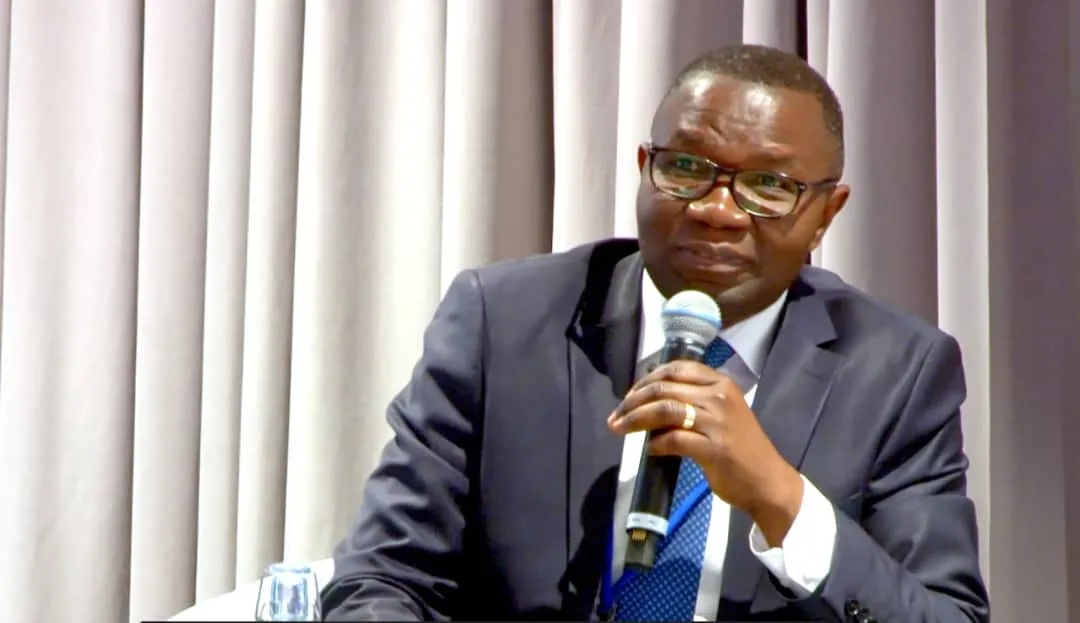
Taking an active part in these meetings alongside the Prime Minister, Judith Suminwa Tuluka, who well sold the vision of the Democratic Republic of Congo, that of making the Lobito Corridor an Integrated Program with the creation of wealth and jobs, the Minister of Foreign Trade, Julien Paluku Kahongya, during the discussions, indicated that the DRC has opted for a structured approach around 4 main axes including the hybrid financing model with an agile combination public and private resources, structuring in phases with a methodology that allows a gradual ramp-up of infrastructure, dedicated governance for the establishment of a specific entity for the management and monitoring of infrastructure, and the business climate for a favorable framework for private investment supported by structuring reforms including accession to the Agreement on the Facilitation of Investment for Development of the World Trade Organization-WTO
Note that the next meeting is set for June 2026 in Kinshasa, it will bring together all the partners to move on to the implementation phase, the examination and evaluation of all the projects selected by each country, followed by the launch of international tender procedures.