
Foreign trade: Congo and Gabon are ahead of Cameroon in the top 20 African exporters
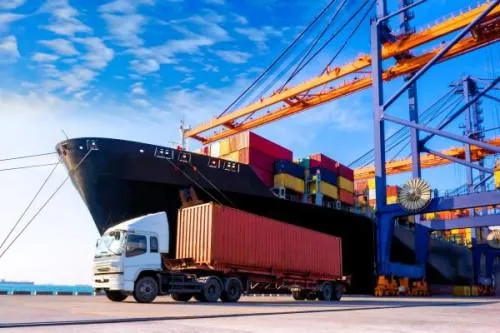
(Investir au Cameroun) - Selon le Comité de compétitivité, think tank rattaché au ministère de l’Économie, le Cameroun se classe au 19ᵉ rang des 20 plus grands exportateurs africains en 2024, avec des revenus estimés à 6,7 milliards de dollars US, en baisse de 400 millions de dollars en glissement annuel. Malgré ce repli, la part du pays dans les exportations africaines reste stable à 1,1 % en 2024, comme l’année précédente.
Pays pourtant présenté comme la locomotive économique de la Communauté économique et monétaire de l’Afrique centrale (Cemac) – qui regroupe également le Congo, le Gabon, la Guinée équatoriale, la RCA et le Tchad –, le Cameroun est devancé dans ce classement par deux autres membres de la zone : le Congo et le Gabon. Ce décalage illustre la place encore déterminante des hydrocarbures dans la hiérarchie des exportateurs africains.
Cemac's leading exporter in the ranking published by the Competitiveness Committee, Congo ranks 16th on the continental scale, despite a marked decline in the value of its exports, down by almost 4 billion US dollars. These stand at 8 billion dollars in 2024, compared to 11.7 billion in 2023, or 1.4% of African exports over the period.
Gabon occupies 17th place, with 1.3% of the continent's exports in 2024. Libreville, however, records a significant drop in its revenues, which fall from 12.7 billion US dollars in 2023 to 7.9 billion in 2024, a loss of 4.8 billion dollars year-on-year. Here again, the adjustment of international prices weighs heavily on the revenues of countries very dependent on hydrocarbons.
The lead taken by Congo and Gabon over Cameroon in this ranking is largely explained by the evolution of world oil and gas prices over the period. Although it has the most diversified economy in Cemac, Cameroon remains a small producer of hydrocarbons, while the Congolese and Gabonese economies depend very heavily on it. Cameroon's more diversified profile mitigates the impact of price shocks on external revenues, but also limits gains during periods of rising prices.