Luanda: a high-level tripartite the DRC, Zambia and Angola with the World Bank on the Lobito corridor

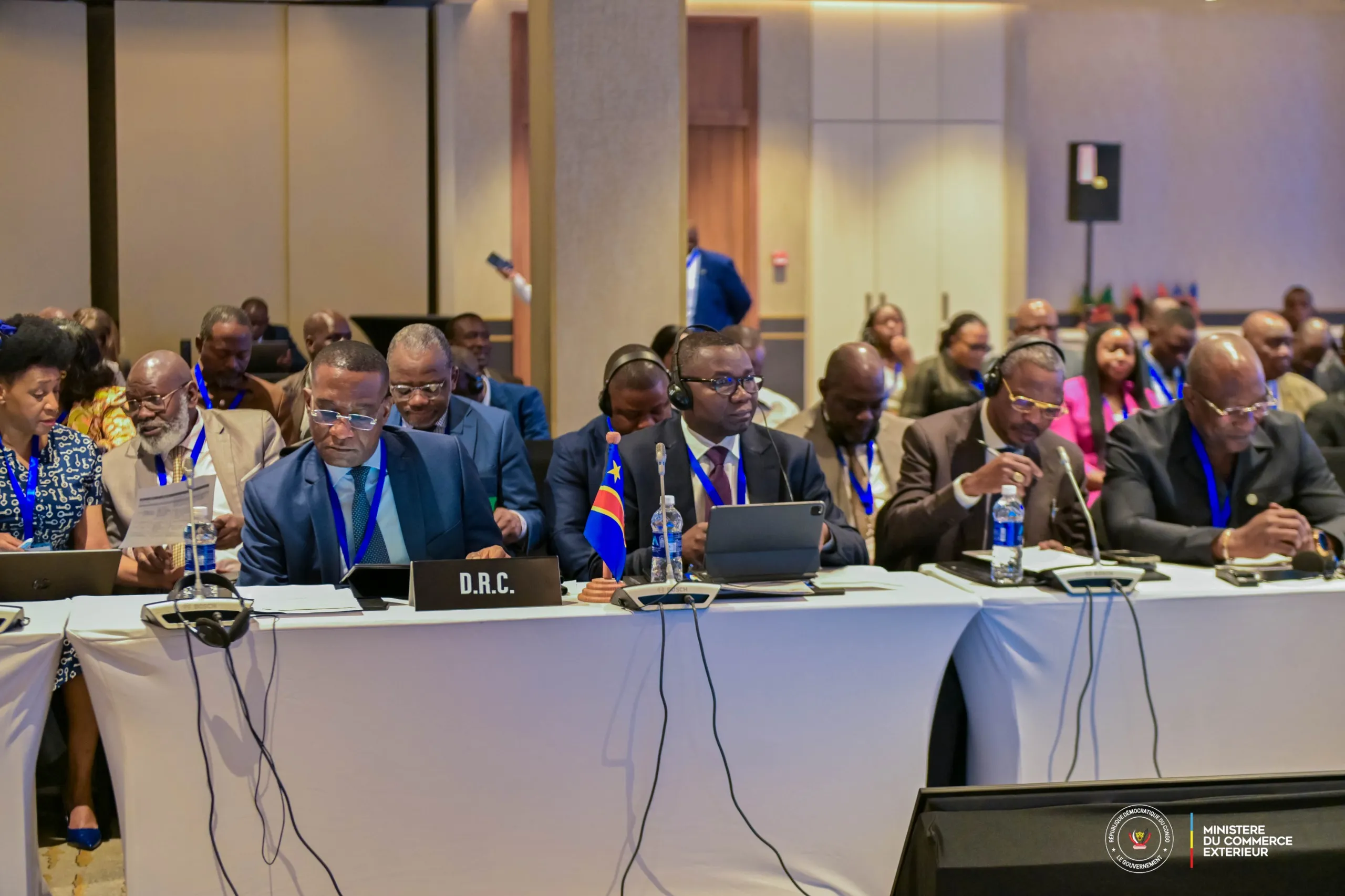
Luanda, the capital of Angola, hosts from Wednesday February 4 to Friday February 6, 2026 the first coordination meeting of the Lobito Corridor, bringing together the Ministers of Finance, Transport, as well as Trade and Industry of Angola, the Democratic Republic of Congo (DRC) and Zambia.
At this meeting, the World Bank is represented by its general director of operations, Anna Bjerde, accompanied by her colleague Albert Zeufack, director of operations of the World Bank for the DRC, Burundi, Angola and Sao Tome and Principe.
According to the press release from the DRC office of the World Bank, received by the editorial staff of ACTUALITE.CD, this meeting marks a key step in strengthening regional cooperation around the Lobito corridor, a strategic trade and transport route linking southern and central Africa to world markets. During these three days, discussions will focus on policy alignment, investment coordination and the mobilization of public and private partners in order to accelerate economic growth, job creation and cross-border trade.
According to the same document, the discussions will also address other regional priorities, including expanding access to energy with Mission 300, strengthening agricultural and agri-food value chains through AgriConnect, as well as increasing access and digital connectivity.
Already in September last year, the World Bank's director of operations for the DRC, Burundi, Angola and Sao Tome and Principe, Albert Zeufack, had stayed in Lubumbashi, capital of the Haut-Katanga province, with the aim of identifying investment opportunities on the Congolese portion of the Lobito corridor in order to benefit the Congolese population as much as possible. On this occasion, the director of operations spoke with the provincial authorities, who welcomed this Bank initiative.
The provincial Minister of Finance, representing the Acting Governor on the trip, shared his initial analyzes of the opportunities and challenges presented by this project. It was agreed to carry out a study on the impact of the implementation of the Lobito corridor on the region's economy. This study will be carried out by researchers from the universities of Lubumbashi and Kolwezi, in collaboration with teams from the World Bank. To enable the DRC to derive maximum benefits from the Lobito corridor, the approach proposed by the World Bank is to transform the corridor into a platform for economic diversification and job creation.
The Lobito Corridor is an ambitious project aimed at facilitating the export of minerals produced in the mining regions of the DRC and Zambia. Last July, Presidents Tshisekedi, Lourenço and Hichilema signed an agreement in Lobito to optimize the use of this rail corridor, located near the mining basins of Greater Katanga (DRC) and the Copperbelt (Zambia).
The Lobito Atlantic Railway consortium, made up of the companies Trafigura (Switzerland), Vecturis (Belgium) and Mota-Engil (Portugal), won the international call for tenders for the operation of this corridor for a period of 30 years. The consortium is committed to increasing train frequency to 49 convoys per day, creating 1,600 direct jobs and ensuring infrastructure maintenance. It will also take charge of the transport of minerals, notably copper concentrates, from the DRC and Zambia to external markets.
The Lobito corridor includes several key infrastructures: the Lobito port, the Mineiro terminal, the Catumbela airport and the Benguela railway. In the DRC, it connects the mining provinces of Tanganyika, Haut-Lomami, Lualaba and Haut-Katanga. This infrastructure offers an alternative to road transport, long predominant, for the export of precious metals to international markets.