UNDERSTANDING THE ANNUAL MEETINGS OF THE WORLD BANK(WB) AND THE INTERNATIONAL MONETARY FUND(IMF)
Tribune 010 of 04-19-2026
1. The Spring Meetings and the Annual Meetings of the WB and IMF Group are the two cardinal meetings of world finance.
This is where the economic “weather” of the planet is largely decided.
2. Origin and Organization
These institutions emerged from the Bretton Woods conference in 1944, aimed at rebuilding the global economy after World War II.
●First meeting: It took place in 1946 in Washington.
●Frequency: Twice a year. The Spring Meetings (April) are always held in Washington, while the Annual Meetings (October) are held in Washington two out of three years, and in a member country in the third year.
3. Structure of meetings
The organization is based on two central pillars:
●The International Monetary and Financial Committee (IMFC): Oriented towards the IMF, it manages global monetary stability.
●The Development Committee: Oriented towards the WB, it focuses on poverty reduction and sustainable development.
4. Objectives of Meetings
The goal is not just to discuss numbers, but to coordinate global action on:
●Financial stability: Preventing currency crises and state bankruptcies.
●The fight against poverty: Finance infrastructure, education and health.
●Climate and energy: Integrate the ecological transition into economic models.
●Public debt: Finding solutions for over-indebted countries.
5. Why are countries participating? (The Winnings)
For a Minister of Finance or a Central Bank Governor, not being there means being invisible on the global financial map.
6. Types of winning
●Access to capital: directly negotiate loans, donations or lines of credit
●Credibility: obtaining the IMF’s “label” of good management, which attracts private investment
●Networking: Meet investors, private banks and bilateral partners (USA, CHINA, EU)
●Expertise: benefit from technical assistance and global best practices.
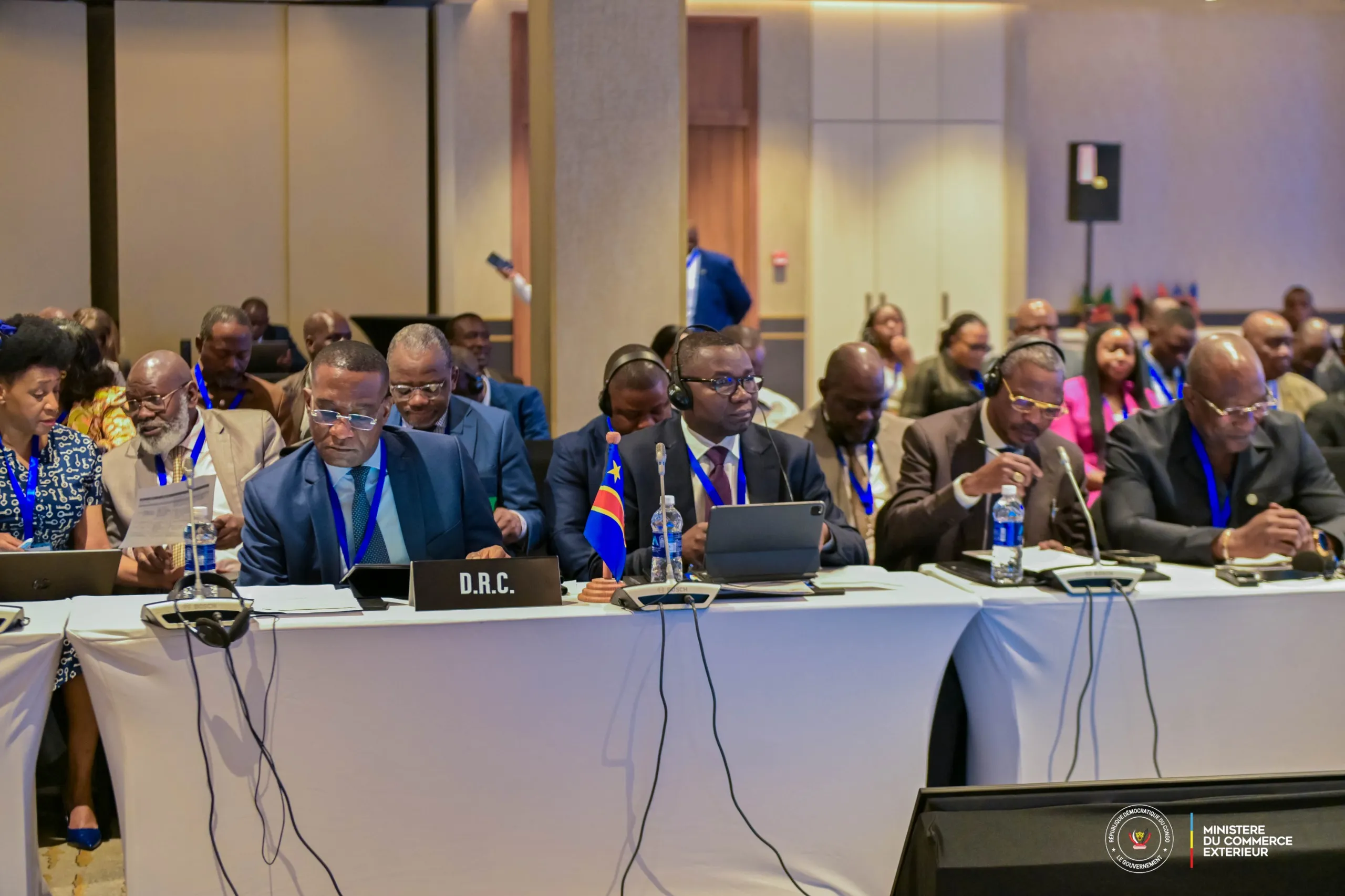
7. Focus: The DRC and its program with the IMF
The DRC is currently engaged in a formal program with the IMF, notably via the Extended Credit Facility (ECF).
8. Specific advantages for the DRC:
●Macroeconomic Stability: The program imposes budgetary discipline which helps stabilize the Congolese franc and control inflation (which protects purchasing power).
●Financing catalyst: The agreement with the IMF acts as a “certificate of confidence”. Without it, it would be difficult for the DRC to obtain financing from the WB or the ADB.
●Transparency and Governance: The program requires reforms in the mining sector and public finance management. This helps fight corruption and ensure that state revenues reach the Treasury.
●Foreign exchange reserve: Disbursements from the IMF make it possible to inflate the reserves of the Central Bank of Congo, providing a shield against external shocks (such as a fall in the price of copper or cobalt).
9. For the DRC, these meetings are an opportunity to prove to international markets that the country is "frequentable" and to secure the funds necessary to finance major development projects.
10. For the Ministry of Foreign Trade of the DRC, participation in these meetings is a strategic lever to position the country in world trade.
11. Commerce cannot develop without roads, ports or rails. These meetings make it possible to negotiate this financing.
12. Also, these meetings serve to transform macroeconomic stability (managed by Finance) into concrete commercial opportunities (investments, access to markets and reduction of logistical barriers).
Happy Sunday, see you soon at our place
Julien Paluku Kahongya
Minister of Foreign Trade
PhD student at Sciences Po