Ebola in the East: restrictions on cross-border trade are accentuating hunger in Ituri, according to the ICRC
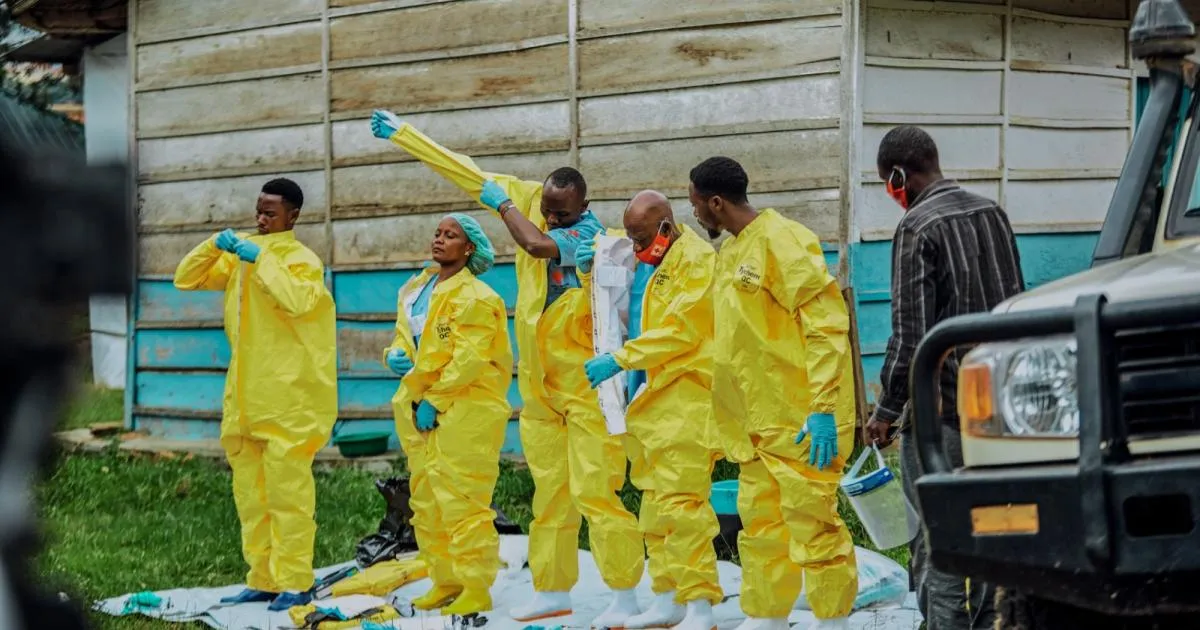
Beyond armed conflicts and other situations of violence which lead to massive displacements of populations and the abandonment, by certain families, of their distant fields in the east of the DRC, restrictions on trade have also contributed to accentuating hunger in the province of Ituri, epicenter of the epidemic of Ebola virus disease of the Bundibugyo strain.
According to a new report from the International Committee of the Red Cross (ICRC), which recalls the situation of acute food insecurity hitting the DRC head-on, with more than 8.6 million people affected, these restrictions on the exchange of goods at the borders between the DRC and Burundi in particular have had significant repercussions on the populations.
Faced with these challenges, the ICRC, in collaboration with chiefdoms in the province, has defined mechanisms to provide assistance to vulnerable families, without exposing them to the risk of contamination by the Ebola virus disease of the Bundibugyo strain, responsible for more than 2,000 deaths since its official declaration last May.
Certainly, Ebola kills. But hollow stomach has no ears, they say. We have put in place mechanisms, together with the ICRC, to organize distribution while respecting prevention measures. This assistance will allow everyone to continue to respect prevention measures,” says John Kabarole, head of a chiefdom targeted by assistance in Ituri.
For Abdoule Karim Diomande, head of programs at the ICRC in the DRC, it is imperative that people can return to their fields, access markets, water points and other essential means of subsistence in order to prevent worsening food insecurity.
In particular, he fears an increase in the risks of hunger and malnutrition and calls on the various parties to the conflicts to cease military operations affecting civilians in order to limit forced displacement.
“It is essential that the various parties to the conflicts take all measures to limit the effects of military operations on civilian populations in order, in particular, to avoid forced displacement, and that they also facilitate the rapid and unhindered passage of humanitarian assistance for the benefit of the affected populations,” he added.