
Chinese exports are booming thanks to AI and advanced technologies.
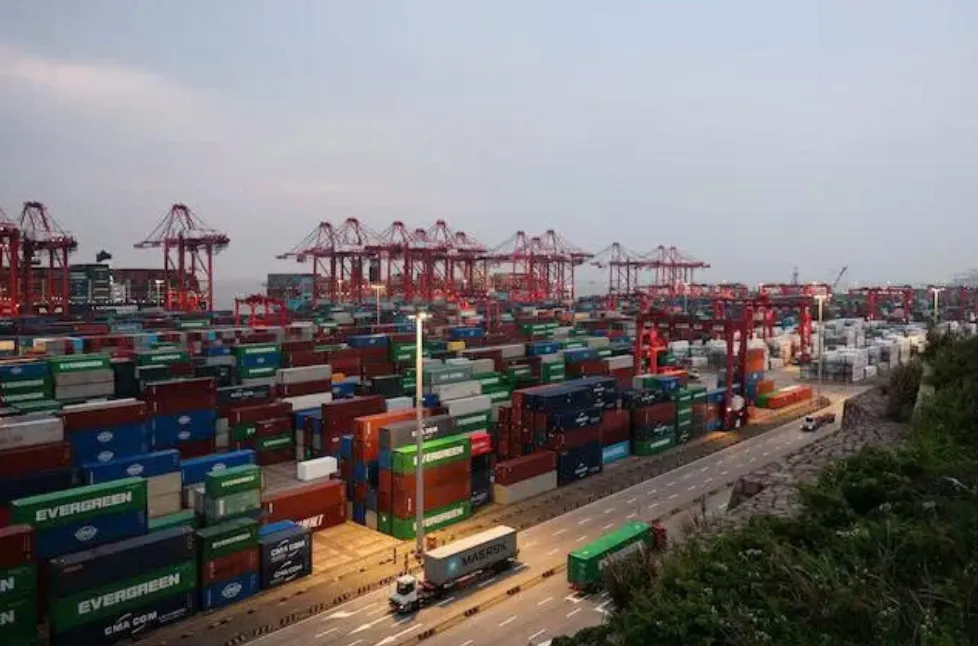
The sustained growth of Chinese exports in August, driven by chips, electric vehicles and AI-based products, was explained by the slow recovery of domestic consumption and investment.
According to Chinese customs data published on September 8, the country's exports increased by 25% year-on-year, compared to 23.9% in July. Imports also increased by 28.2%, confirming the positive dynamics of Chinese foreign trade.
It should be noted that high-tech products continue to play an important role. In the first eight months of the year, the export value of this product group increased by 42.9%. Semiconductors more than doubled in value, while automotive exports grew more than 50% in value and volume.
Zhaopeng Xing, senior China analyst at ANZ Bank, told Reuters that strong demand for AI-related products, electric vehicles, solar panels and lithium-ion batteries contributed to the surge in exports. He added that many companies are also speeding up shipments to the United States in the face of uncertainty over tariff policies.
At the same time, imports of technology products have also increased sharply, reflecting China's continued investment in this sector. The demand for chips and equipment for artificial intelligence computing supports the activity of many domestic technology and manufacturing companies.
Strong export growth has also contributed to the continued increase in China's trade surplus. In August, this surplus reached 119.09 billion dollars, compared to 112.5 billion in July. Over the first eight months of the year, it amounts to 805.51 billion dollars. At this rate, China's annual trade surplus could exceed the $1 trillion mark for the second year in a row.
Trade with the United States has also increased significantly. China's trade surplus with the United States reached $29.18 billion in August, up from $28 billion in July. Exports to the United States increased by 34.4% year-on-year, while imports from the United States increased by 17.8%.
China and the United States are for now maintaining the trade truce agreement reached at the end of last year. The two sides are weighing the possibility of reducing reciprocal tariffs on around $30 billion in traded goods, while preparing for a high-level meeting scheduled for this month.
However, strong export growth also shows that the Chinese economy remains highly dependent on external demand. Domestically, consumption and investment remain weak, while the real estate market continues to contract. The Chinese government has set a GDP growth target of around 4.5% to 5% this year.
China's GDP grew 4.3% in the second quarter compared to the same period a year earlier. Recent figures show a slowdown in industrial production and retail sales at the start of the third quarter, while fixed capital investment fell more sharply in the first seven months of the year.
To support growth, Beijing has stepped up its fiscal measures, including deploying a financial instrument worth 800 billion yuan (about $119 billion) to boost infrastructure investment.
Lynn Song, chief economist for Greater China at ING, told Reuters that the recovery in exports will need to be closely monitored in the coming months. According to her, the risks linked to customs duties and the ability to maintain the technological investment cycle will be determining factors for the duration of this recovery.