BRICS: payments and digital currencies at the heart of the New Delhi summit
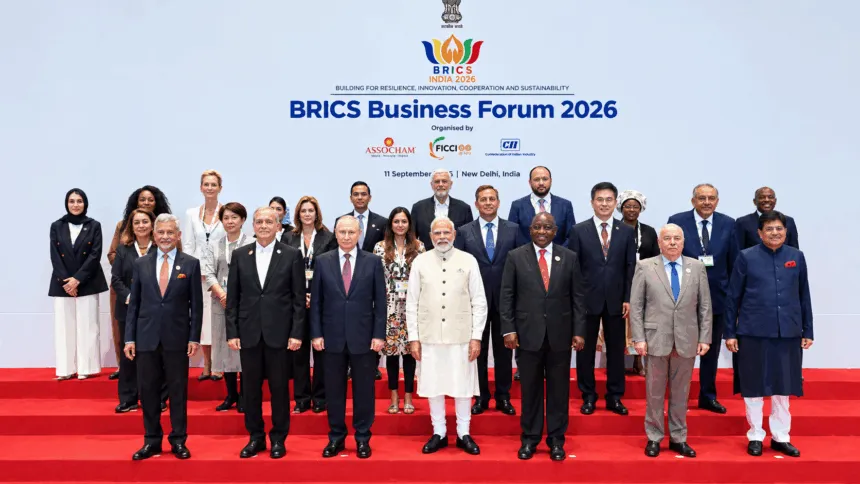
Meeting in New Delhi for their 18th summit, the BRICS are accelerating their efforts to develop autonomous financial and trade mechanisms. Interconnection of payment systems, digital currencies and energy cooperation are among the main issues.
BRICS leaders are meeting this weekend in New Delhi, India, with a central objective: strengthening the group's economic exchanges and developing alternative financial infrastructures. India, which has held the rotating presidency since January, favors an approach focused on economic connectivity rather than solely on declarations relating to dedollarization.
One of the main files is the BRICS Pay project, intended to interconnect national payment systems and facilitate settlements in local currencies. Still in the pilot stage, it could reduce the use of correspondent banks and currency conversions in transactions between member countries.
A second project concerns the interconnection of central bank digital currencies (MNBC). The aim is to facilitate cross-border payments by reducing intermediaries. The project, however, remains at the discussion stage and does not constitute the creation of a common BRICS currency.
The development of these infrastructures supports the progression of intra-BRICS trade. Exports among members reached about $1.2 trillion in 2025, while India's trade with other members was worth about $416 billion...
The New Development Bank, created in 2015, already constitutes a financial tool of the group. It approved around $43 billion in loans, providing BRICS with an initial institutional infrastructure to finance joint projects.
Despite the political differences between certain members, particularly around the conflict in the Middle East, the BRICS are continuing substantive work aimed at strengthening their economic autonomy. The transformation remains gradual, but the interconnection of payments, financing and energy exchanges are drawing the contours of an economic ecosystem less dependent on Western infrastructure.