DRC–WORLD BANK CO-OPERATION: DIALOGUE WORKSHOP WITH THE TRANSPORT AND FOREIGN TRADE SECTORS AS PART OF THE PREPARATION OF THE WORLD BANK’S COUNTRY PARTNERSHIP FRAMEWORK FOR THE PERIOD 2027–2036
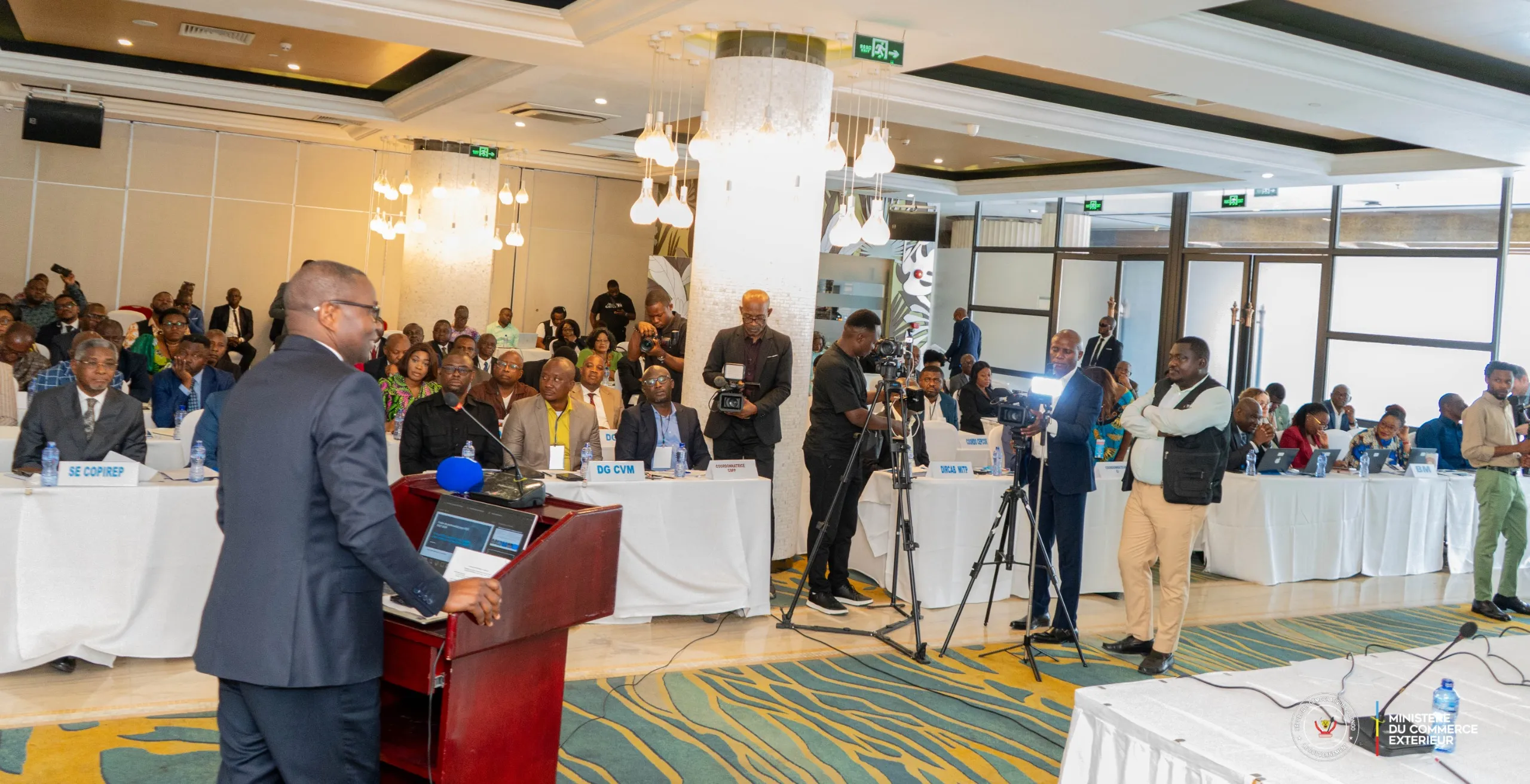
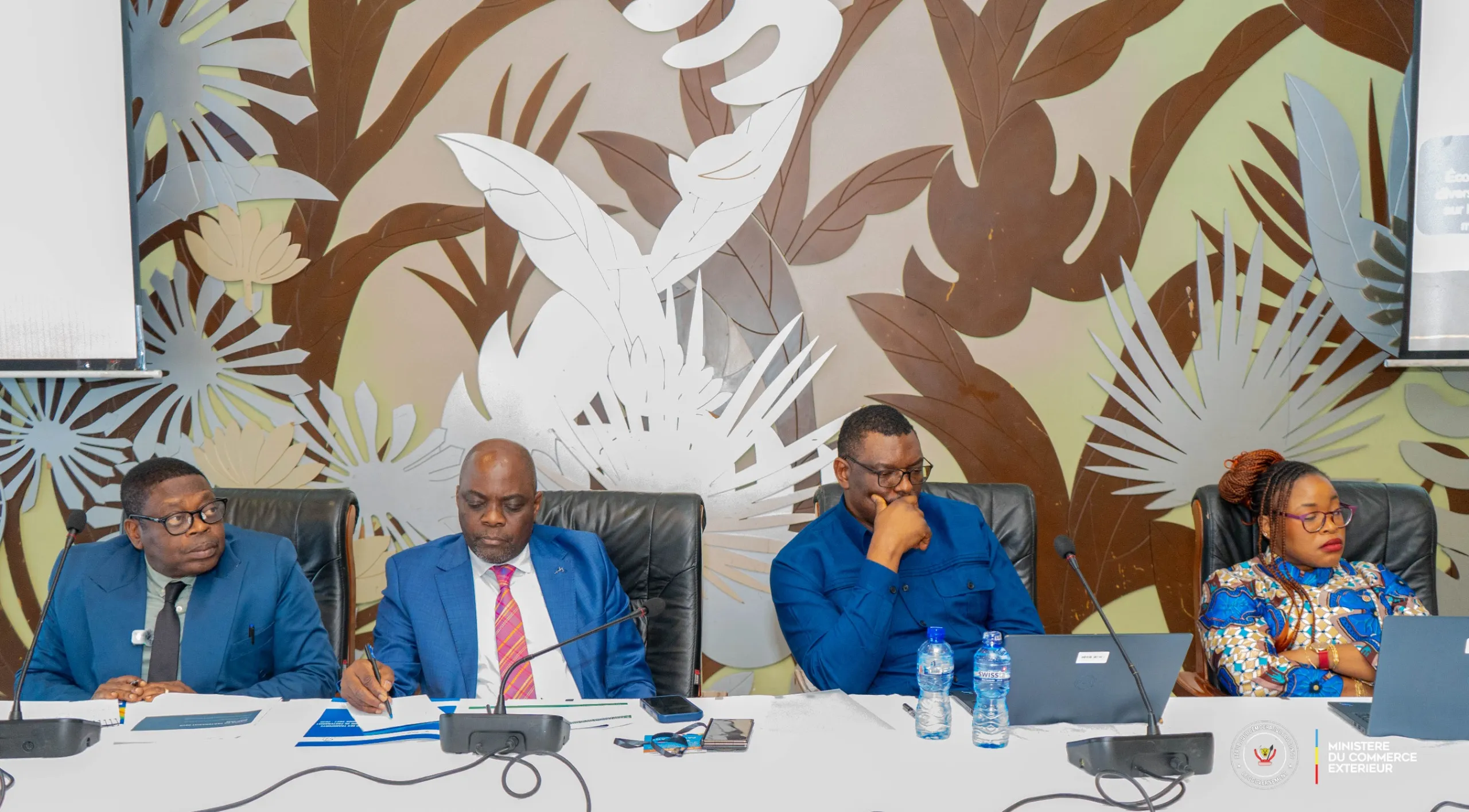
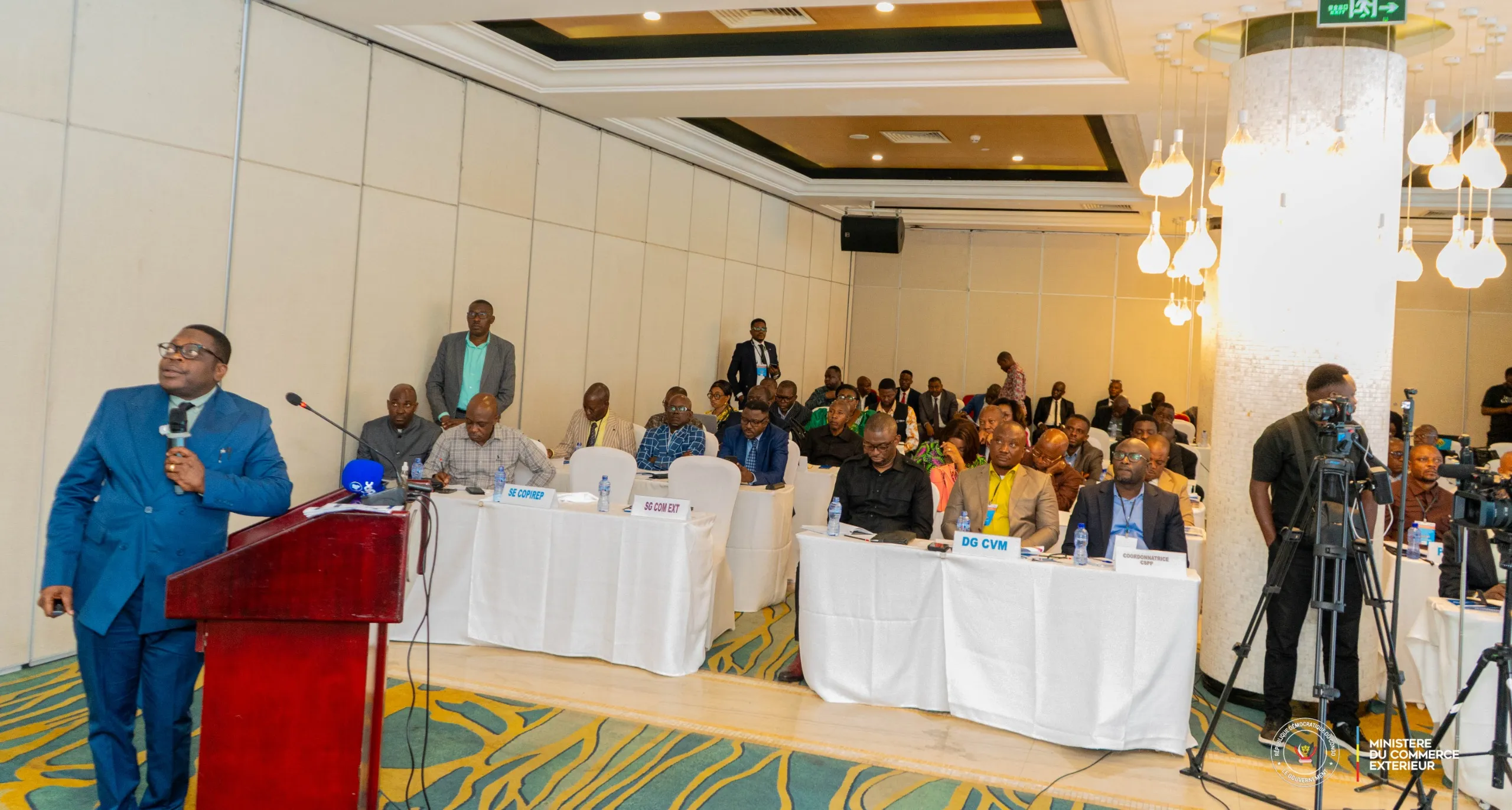
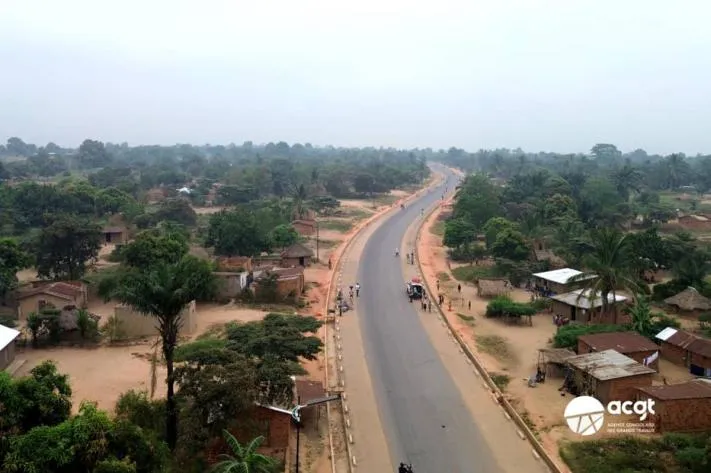
With its extensive transport network comprising 58,127 kilometres of national roads, 85,000 kilometres of farm access roads, 13,028.46 kilometres of urban roads, 5,033 kilometres of railway lines, 280 kilometres of navigable waterways, 2 seaports, 5 lake ports, around 50 river ports, and 502 airports, aerodromes and airstrips, The Democratic Republic now aims to modernise its infrastructure and border posts to become the driving force behind the development of the African continent and a strategic player in the effective implementation of the African Continental Free Trade Area (AfCFTA), thereby boosting intra-African trade, through the World Bank’s country partnership for the period 2027–2036.
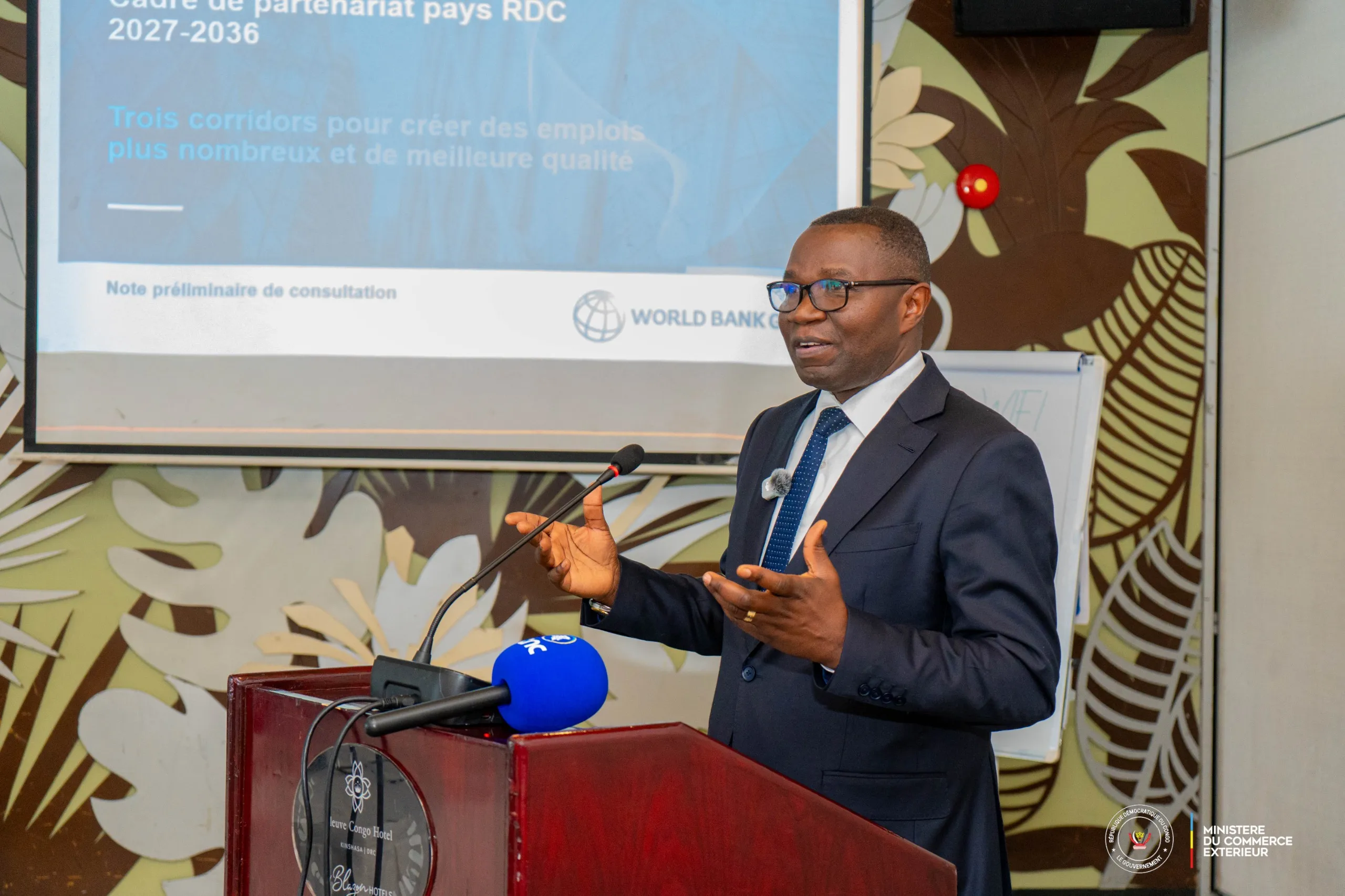
During the dialogue workshop with the transport and foreign trade sectors, held on Monday 12 October 2026 in Kinshasa as part of the preparations for the ten-year plan, the World Bank, through its Director of Operations in the DRC, Albert Zeufack, stated that it would now shift its focus from individual projects to structural programmes, concentrating on the Inga, Lobito and Peace corridors.
In his speech, the Minister for Foreign Trade, Julien Paluku Kahongya, emphasised the need to establish a roadmap with specific indicators to implement this 10-year World Bank plan, whilst highlighting the benefits of modernising infrastructure to facilitate trade – including the one-stop border post – as recommended by the Zambian President during the second coordination meeting on the Lobito Corridor in Lusaka.
For his part, the Minister for Infrastructure and Public Works, John Banza Luna, welcomed the World Bank’s support in promoting connectivity in the DRC.
It should be noted that presentations by experts from the Government and the World Bank were delivered as scheduled.